
Snow Storm: Ultimate Guide to Surviving Winter
Discover the ultimate guide to understanding and surviving snowstorms. Prepare for winter's fiercest fury with expert tips and strategies for the 2025–2026 season. Snow Storm: Ultimate Guide to Surviving Winter
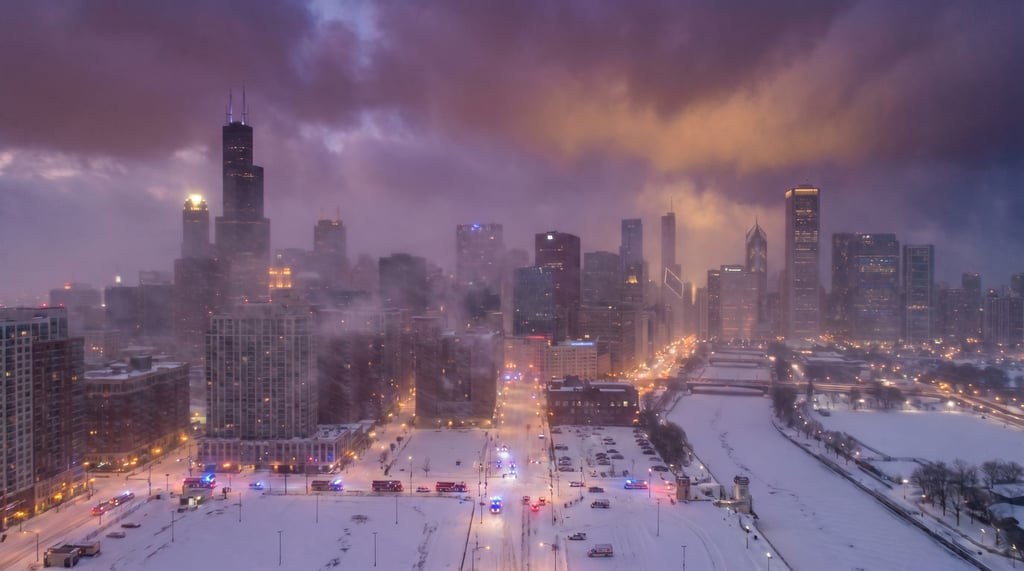
Snow Storm: The Ultimate Guide to Understanding, Surviving, and Preparing for Winter's Fiercest Fury (2025–2026)
Meta Description: Everything you need to know about snow storms — from how they form and the record-breaking 2025–2026 season to expert safety tips, emergency preparedness, and climate change insights. Stay safe this winter.
Introduction: When Winter Unleashes Its Power
A snow storm is one of nature's most dramatic and disruptive phenomena. Whether you call it a blizzard, a nor'easter, a winter storm, or a white-out, the result is the same — roads shut down, power grids fail, and communities are brought to a standstill. Understanding snow storms isn't just interesting meteorology; it can be the difference between life and death.
The 2025–2026 winter season has made snow storms front-page news across North America and Europe, with record-breaking snowfall events, mass power outages, and federal disaster declarations. In this comprehensive guide, we cover everything: what causes snow storms, how to read storm warnings, how to prepare your home and family, and what the latest science says about their future frequency.
What Is a Snow Storm? Definitions and Types
Snow Storm vs. Blizzard: What's the Difference?
Many people use "snow storm" and "blizzard" interchangeably, but meteorologists draw a clear line:
Winter Storm: Significant snowfall or ice accumulation forecast, broadly defined.
Blizzard: Specifically requires sustained winds or frequent gusts of 35 mph or greater, combined with heavy or blowing snow that reduces visibility to less than one-quarter mile for three or more consecutive hours.
Ice Storm: Freezing rain accumulates as a glaze of ice on surfaces — often more dangerous than snow alone.
Nor'easter: A cyclonic storm tracking up the U.S. East Coast, capable of dumping enormous snowfall totals on densely populated areas.
Alberta Clipper: A fast-moving, relatively low-precipitation storm originating in Canada, which dominated the northern Plains and Midwest throughout the 2025–2026 season.
Lake-Effect Snow: Intense, narrow bands of heavy snow that form downwind of large lakes like the Great Lakes, capable of dropping several feet of snow in a matter of hours.
Understanding Weather Alerts
Reading storm warnings correctly saves lives. Here is the hierarchy:
Winter Storm Watch: Conditions are favorable for a significant winter storm within 24–48 hours. Be prepared.
Winter Storm Warning: Life-threatening, severe winter conditions have begun or will begin within 24 hours. Take action.
Blizzard Warning: The most severe alert, issued when blizzard conditions are expected. Shelter in place.
Wind Chill Advisory/Warning: Dangerous wind chill values that can cause frostbite on exposed skin in minutes.
The Record-Breaking 2025–2026 Snow Storm Season
The 2025–2026 winter season has been one of the most dramatic and polarizing on record in North America — with extreme snowfall in the East and historic warmth in the West.
The January 2026 Mega-Storm
The standout event of the season was a massive winter storm that swept across the United States from January 24–26, 2026. NOAA satellites tracked the storm from its origins over the Pacific Ocean on January 21 until it impacted the central and eastern United States. The storm's reach was staggering:
Snow covered more than half of the contiguous U.S. by January 26.
Approximately 800,000 customers lost power, with Tennessee, Mississippi, and Louisiana suffering the worst electrical outages.
Ice Storm Warnings blanketed much of the Southeast, with forecasters warning of potentially "catastrophic ice" across the South.
Extreme Cold Warnings stretched as far south as the Mexican border, while Freeze Watches extended into northern Florida.
12 emergency declarations were approved by the President, allowing states to access federal disaster resources.
Nashville, Tennessee, set a new precipitation record on January 24, and the resulting ice storm was described as the worst in decades for the region.
Toronto Pearson International Airport recorded its largest single-day snowfall since records began in 1937 — 46 cm (18 inches) in one day.
New York City's Snowiest Season in Over a Decade
New York City had a remarkable winter, recording a total of 43.4 inches of snowfall — a full 13.6 inches above the 29.8-inch average. Highlights included:
A January 25 storm that dropped over a foot of snow, with Central Park receiving 10.6 inches and Washington Heights 14.9 inches.
A February 22 blizzard that deposited 19.7 inches in Central Park, making it the ninth-biggest snowstorm in New York City history, dating back to 1869.
The Great East-West Divide
The 2025–2026 season has been defined by a sharp geographic split:
The Eastern U.S., Great Lakes, and New England experienced a cold, snowy winter far above average.
The Western U.S. suffered through abnormally warm temperatures, resulting in one of the lowest April snowpack readings on record for the region.
The winter of 2025–2026 finished as the snowiest winter on record at Islip, New York, and Providence, Rhode Island.
What Causes Snow Storms? The Science Explained
The Basic Ingredients
A snow storm requires three fundamental elements working together:
Moisture: Water vapor in the atmosphere, often supplied by warm ocean surfaces or bodies of water.
Cold Air: Temperatures at and below freezing in the cloud layer and at the surface so that precipitation falls as snow rather than rain.
Lift: A mechanism that forces warm, moist air upward — such as a weather front, mountain terrain, or low-pressure system — causing it to cool and condense into precipitation.
The Role of Atmospheric Patterns
Large-scale atmospheric patterns determine where snow storms form and travel:
Polar Vortex: A large area of low pressure and cold air surrounding the Earth's poles. When the polar vortex weakens or becomes unstable, it can "wobble," sending surges of Arctic air deep into the mid-latitudes of North America and Europe.
La Niña: A cooling of central and eastern Pacific Ocean surface temperatures. The 2025–2026 season featured a weak La Niña, which historically favors above-average snowfall across the Pacific Northwest, Northern Rockies, Great Lakes, and New England — a pattern that largely verified this season.
Arctic Oscillation (AO): When the AO turns negative, Arctic air pours southward, increasing the odds of significant cold outbreaks and snow storms across populated regions.
Jet Stream: The fast-flowing river of air in the upper atmosphere steers storm systems. A buckled or displaced jet stream can lock cold air and storm tracks over the same regions for weeks.
Snow Storm Safety: How to Protect Yourself and Your Family
Before the Storm: Preparation Is Everything
Emergency officials universally agree: preparing before a snow storm arrives is the most important step you can take. Here is a comprehensive checklist:
At Home:
Stock a winter emergency kit with at least 72 hours of food and water.
Install and test smoke alarms and carbon monoxide detectors with battery backup — carbon monoxide poisoning from improperly used generators kills people every winter.
Learn how to prevent and thaw frozen pipes — insulate water lines along exterior walls.
Know how to shut off water if a pipe bursts.
Have backup heating options (electric space heater, extra blankets, or wood if applicable) and know how to use them safely.
Never use a gas stove, charcoal grill, or generator indoors for heat — even in a garage with the door open — as this creates deadly carbon monoxide.
Maintain a battery-powered or hand-crank radio to receive emergency broadcasts during power outages.
Sign up for free emergency alerts from your local government and the National Weather Service.
In Your Vehicle:
Keep the gas tank at least half full throughout winter.
Carry a car emergency kit: jumper cables, flashlight, blankets, sand or kitty litter for traction, ice scraper, and basic first aid supplies.
Check that tires are properly inflated and have adequate tread.
Never leave the car running in a closed garage.
For Vulnerable Neighbors:
Check on older adults and people with disabilities — they may need help shoveling snow, treating icy walkways, or accessing warming centers.
Winterize outdoor lighting, especially near stairs or walkways, to reduce fall hazards.
During the Storm: Stay Informed and Stay Inside
Stay off roads unless absolutely necessary. Officials consistently warn that icy roads during a winter storm are among the deadliest hazards.
Monitor local weather forecasts and emergency alerts continuously.
Keep your cell phone charged; have a backup battery pack.
If you must go outside, dress in waterproof, layered clothing and cover all exposed skin — hypothermia can set in in as little as 30 minutes in extreme cold, and in as little as 5–10 minutes if you are wet.
Know the signs of frostbite (numbness, white or grayish-yellow skin, waxy or hard texture) and hypothermia (shivering, slurred speech, confusion) and seek emergency help immediately if either is suspected.
After the Storm: Don't Let Your Guard Down
Treat all downed power lines as live — stay away and report them to authorities.
Be careful shoveling snow: overexertion in cold weather is a leading cause of cardiac events in winter.
Check on neighbors, especially the elderly, who may be isolated.
Watch for roof damage from heavy snow load — ice dams can cause significant structural and water damage.
Download the FEMA app for real-time local disaster information and resources.
Snow Storms and Climate Change: A Changing Relationship
One of the most debated questions in modern meteorology is how climate change is affecting snow storms. The answer is more nuanced than a simple "more" or "less."
Warmer Atmosphere, Heavier Snowfall — Sometimes
As the American Red Cross notes, winters are becoming warmer and shorter overall due to the climate crisis. However, a warmer atmosphere holds significantly more moisture. This means that when temperatures are cold enough for snow, storms can tap into greater reservoirs of water vapor and produce heavier snowfall events than were typical in previous decades.
The Shrinking Window for Snow
While individual storms can be more intense, the overall season for snowfall is shortening in many parts of the world. The 2025–2026 Western U.S. season is a stark example: it was the warmest winter on record across much of the region, leading to one of the lowest April 1st snowpacks ever measured. Early snowmelt — peaking a full month earlier than average — has cascading effects on water resources, wildfire risk, and agriculture.
Polar Vortex Disruptions
Some climate scientists link increasing polar vortex disruptions to Arctic warming. As the Arctic warms faster than the rest of the planet, the temperature gradient that keeps the polar vortex stable weakens. A more erratic, wobbling polar vortex can send cold Arctic air plunging into the mid-latitudes more frequently — a possible driver of the intense cold outbreaks and snow storms seen in the eastern U.S. during 2025–2026.
Economic and Social Impact of Snow Storms
The Massive Cost of Winter Storms
Snow storms are among the most economically costly natural disasters:
Transportation disruptions: Road closures, flight cancellations, and supply chain interruptions cost billions of dollars annually.
Power outages: The January 2026 storm left 800,000 Americans without power, with restoration costs running into hundreds of millions of dollars.
Agricultural losses: Livestock, crops, and infrastructure in affected regions face significant damage.
Healthcare surge: Emergency rooms see dramatic spikes in cardiac events, hypothermia cases, and traumatic injuries during and after major snow storms.
Community Resilience: The Other Side
Snow storms also bring out remarkable community solidarity. Neighbor checks on neighbor, community organizations open warming shelters, and volunteers mobilize to help the elderly and vulnerable. Federal agencies like FEMA coordinate with state, local, and tribal governments to deploy resources rapidly. The 2026 winter storm response involved 12 federal emergency declarations, allowing rapid access to resources that saved lives across the Southeast and Mid-Atlantic.
Frequently Asked Questions About Snow Storms
Q: What is the difference between a snow storm watch and a warning? A Watch means conditions are favorable — be prepared. A Warning means severe conditions have begun or are imminent — take action immediately.
Q: How much snow makes it a blizzard? Snow accumulation alone does not make a blizzard. A blizzard requires winds of at least 35 mph and visibility of less than one-quarter mile for three or more hours. Some blizzards deposit relatively little snow while still being extremely dangerous.
Q: Can snow storms happen even when it isn't that cold? Yes. Heavy snowfall can occur at temperatures just below freezing (28–32°F/-2 to 0°C). In fact, some of the heaviest, wettest snowfalls occur when temperatures are close to the freezing point.
Q: How long should my emergency kit last? FEMA and the Red Cross recommend preparing supplies for a minimum of 72 hours (3 days). In major storm events, power and road access can be disrupted for a week or longer, so building toward a 7-day supply is wise in snow-prone regions.
Q: Is it safe to eat snow for water? In an emergency, snow can be melted and boiled for drinking water, but eating snow directly lowers your core body temperature, which can accelerate hypothermia. Always melt it first.
Snow Storm Preparedness: Your Quick-Reference Checklist
✅ Emergency food and water (3–7 day supply)
✅ Battery-powered or hand-crank radio
✅ Flashlights with extra batteries
✅ Backup phone charger / power bank
✅ First aid kit
✅ Extra prescription medications
✅ Warm clothing, blankets, and sleeping bags
✅ Snow shovel and ice melt/sand
✅ Smoke and CO detectors tested and operational
✅ Vehicle emergency kit stocked
✅ Local emergency alerts activated on your phone
✅ Plan to check on elderly/vulnerable neighbors
Conclusion: Respect the Storm, Prepare Ahead
The 2025–2026 snow storm season has delivered a powerful reminder of winter's capacity to reshape daily life on a massive scale. From record snowfall in New York City and Toronto to unprecedented ice storms across the American South, this season has underscored a crucial truth: no region is truly immune from winter's reach, and preparation is the most powerful tool we have.
Understanding how snow storms form, reading weather alerts accurately, preparing your home and family ahead of time, and staying informed during the storm itself can mean the difference between a manageable inconvenience and a life-threatening emergency.
As climate patterns continue to evolve, the relationship between warming temperatures and extreme winter weather is growing more complex. Staying educated, staying prepared, and staying connected to your community are the best defenses against whatever the next snow storm brings.
Sources: NOAA/NESDIS, FEMA, American Red Cross, CDC, National Weather Service, OpenSnow, Wikipedia (2025–26 North American Winter), CBS New York, NBC News.